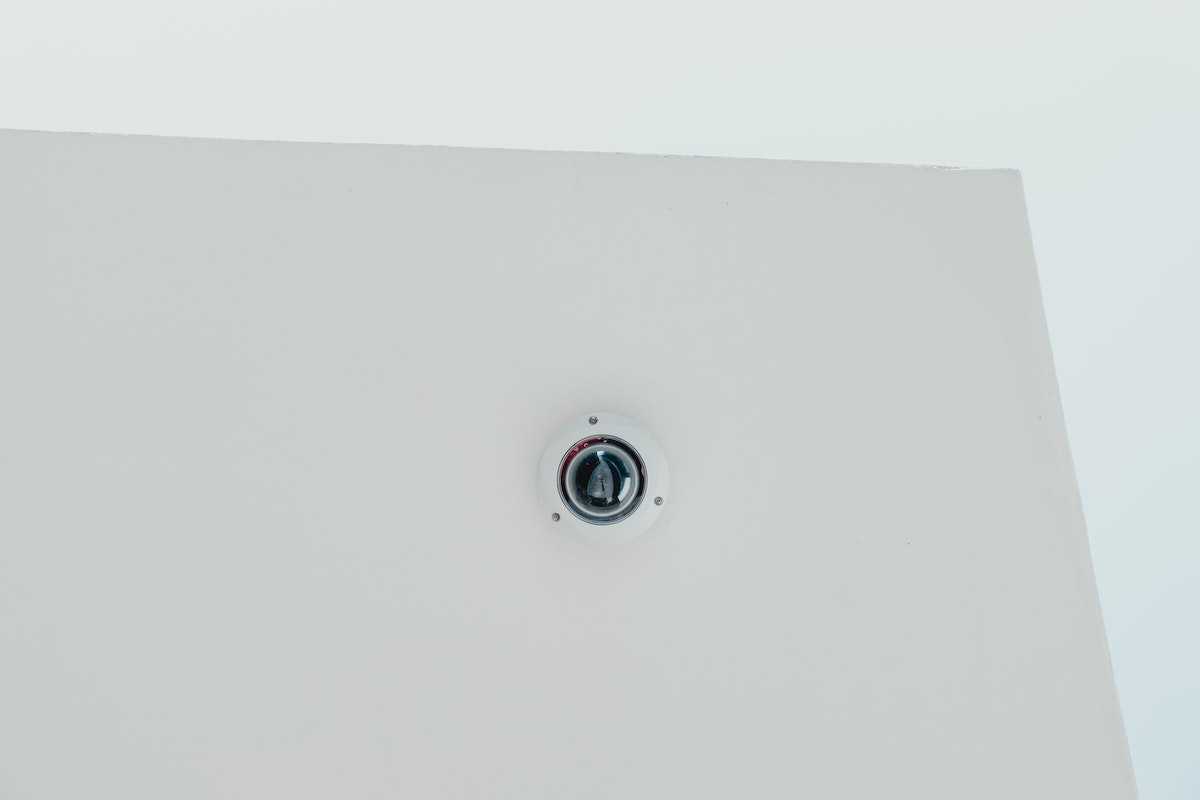
CCTV can be an effective and reliable way to increase the security of your home. However, it’s important to remain on the right side of the law, especially after the changes made to GDPR law in recent years.
Most important to keep in mind is the fact that if you record any footage outside the confines of your property you become a data controller. Data controllers are obliged to comply with legal requirements under GCDR law in order to protect the privacy of the people whom you may record. Operationally and simply, you need to have a clear and justifiable reason for doing so, and be able to provide a reason why you need these particular angles or images if asked.
Additionally, you’ll also need to take these steps:
- Tell people you use CCTV
- Don’t record more than you need to achieve your goals for the CCTV system
- Make sure that your recorded footage is secure
- Delete footage regularly, only keeping it for as long as is strictly necessary
- Ensure that the cameras are only operated in the ways that you intended, and can’t be manipulated for other reasons.
- Allow anyone who has been recorded to have access to the data that you have stored if they request it.
After the update to data protection laws, members of the public now have the right to ask about the footage you may have about them (known as “Subject Access Request” SARS), as well as requesting that you delete them. If you need to, you are within your rights to refuse if you need it for a genuine legal dispute, but you must also tell them why you are refusing and inform them that they can challenge this in court or complain to the ICO.
It’s often worth considering whether you really need CCTV, especially in private circumstances, where signs advertising the presence of CCTV have been suggested to reduce the risk of crime, even without the presence of cameras themselves. Alternatives to CCTV could be better lighting, or improved alarm systems both of which play a large part in reducing the threat of break-ins or other related incidents. However, if you’re set on having CCTV, it’s important to consider how you will be setting up the cameras, ideally in a way which best protects the privacy of areas and individuals outside your property boundaries. Further, deciding on a live feed prevents the need to protect stored video footage something which can help in terms of data requests from members of the public, as can non-audio recording systems – the ICO advice on home CCTV systems recommends that audio recordings are disabled unless strictly necessary.
Before installing, it’s also useful to inform those around you about your plans, and explaining your reasons for doing so. Maintaining maximum transparency and listening to the concerns of your neighbours is the best way to make sure that you stay on the right side of GDPR guidance, and keeping your home safe without breaking the law. Remember, the term ‘CCTV system’ no longer means bulky cameras fitted to the sides of buildings, but is applicable to small doorbell cameras too, something many individuals fail to consider – especially when such cameras are most likely to include areas that are outside of your property boundaries. Unlike previous years, you no longer have to register with the ICO or pay a fee, but you still need to maintain records of how and why you are using CCTV technology in the case that they are requested by the ICO.
If you’re still interested in installing home CCTV, but want to make sure that you fully understand the legislative requirements and that your installation remains on the right side of GDPR, one of our experts will be happy to talk you through it. You can contact us here or, if you’d like to read more about CCTV, there are some more blog posts accessible here.