In the aftermath of the pandemic, many businesses have moved permanently to a hybrid working model. With much to recommend it, from increased flexibility and improved wellness, LSE reported that remote working has increased innovation by 63%, engagement by 75%, organisational commitment by 68% and inclusion by 93%.
However, businesses need to take into account the increased security risks that can come alongside these benefits, with a reported 630% increase in cloud-based attacks between January and April 2020. So, what can you do?
Increase Password Protection
- Your passwords are one of the first lines of defence for your data and your hardware, so it’s imperative that your business has a solid password policy.
- Some businesses recommend that passwords are changed twice a year, and that they contain a minimum of two capital letters, numbers, and punctuation.
- However, the best policy is to use multi-factor authentication, which relies upon the user having two or more of the following: knowledge (an answer to a secret question), possession (an additional device), and inherence (facial or fingerprint recognition).
Use a VPN
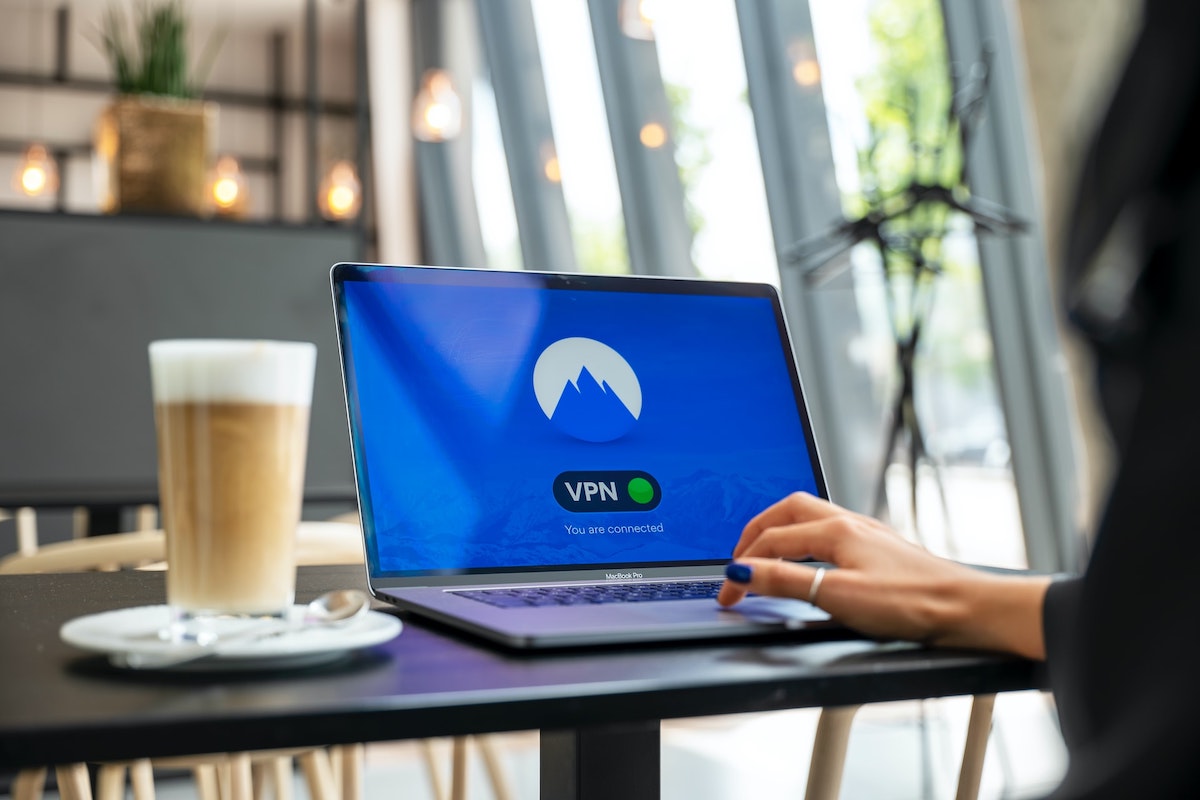
- As well as getting around restricted content – due to location limitations, for example – VPNs are also extremely effective at increasing online security.
- However, be careful which VPNs you use! Not all are reliable or secure, so it’s worth doing your research before choosing one to use.
Install Antiviral Software (and make sure it is up to date)
- Although firewalls do a good job in protecting you from most online threats, antiviral software is crucial in preventing any threats that slip through.
- However, it is really important that your antiviral software remains up to date so that it is equipped to deal with any new threats. Check your update settings and, if possible, require that employees have automatic updates on.
Take regular backups
- As ever, taking backups is really important! In a remote working situation as with an in-person working model, having recent backups in the case of any disasters is always necessary and can help you retain your peace of mind.
- If you want to know more about the importance of backups, you can read about disaster recovery and backups here.
Have a cyber-security policy for employees
- Given that your employees will be spread across the country and, in some cases, across the globe, it’s useful to have a standardised cyber-security policy which they can refer to.
- This enables individuals to have a first port of call in the event of a potential cyber threat, as well as establishing the steps that they should take in order to keep company data safe.
- One point in the plan should cover physical protection, in the case of theft, loss, or damages. As obvious as it might sound, after installing online security measures, many companies are tripped up by device theft or loss, both of which can present the same threats if the device is broken into.
Want to find out more? One of our friendly team of experts would be happy to take you through steps and procedures that could help your business: you can contact them here. Still not sure? Why not have a look at some of the other posts on the Corona IT blog – we’ve plenty of information on the cyber security procedures listed above such as MFA, firewalls, and Wifi protection.